Key takeaways
- Cement-based grout is the common standard and needs sealing.
- Epoxy is non-porous and very stain resistant, and is harder to work.
- Urethane grouts are premixed and flexible, with their own handling rules.
- The right choice depends on the room and the tile.
Cement-based grout
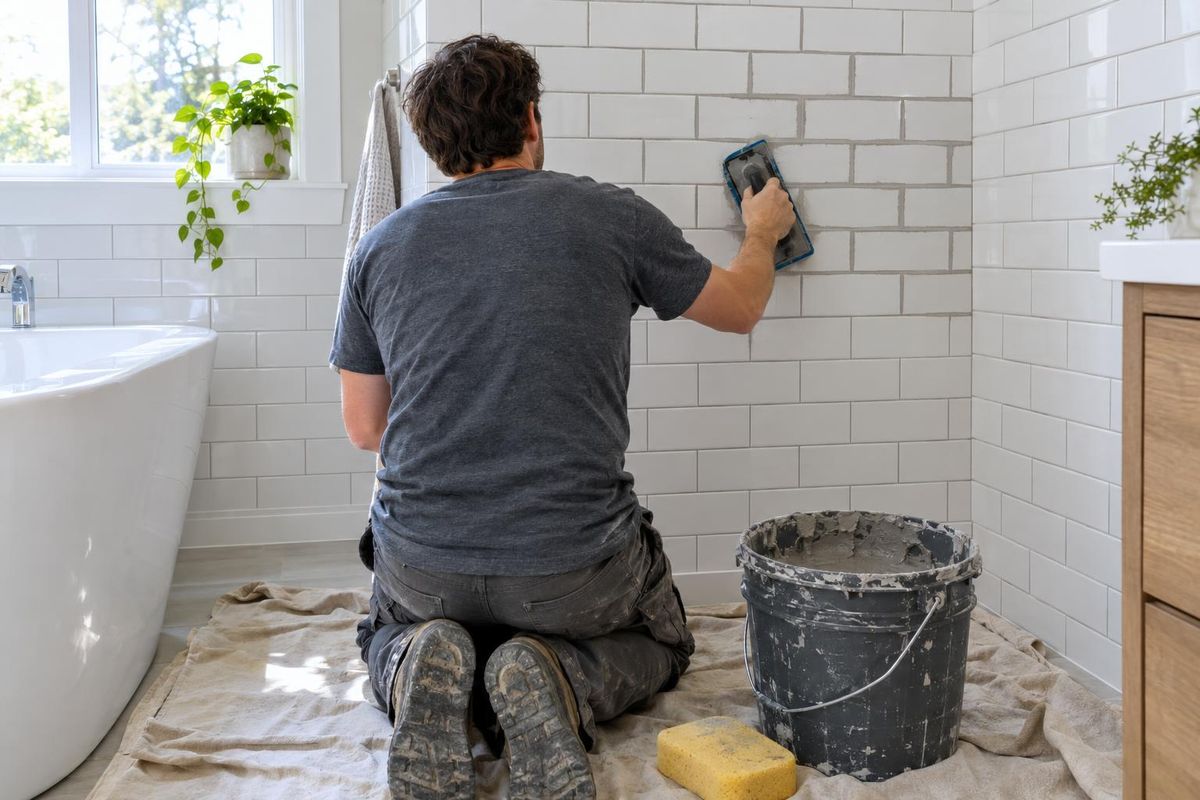
Cement-based grout, sanded or unsanded, is the traditional choice. It is easy to find, comes in a huge color range and works almost everywhere, but it is porous and benefits from sealing.
It can crack where movement occurs and stain if neglected.
Epoxy grout
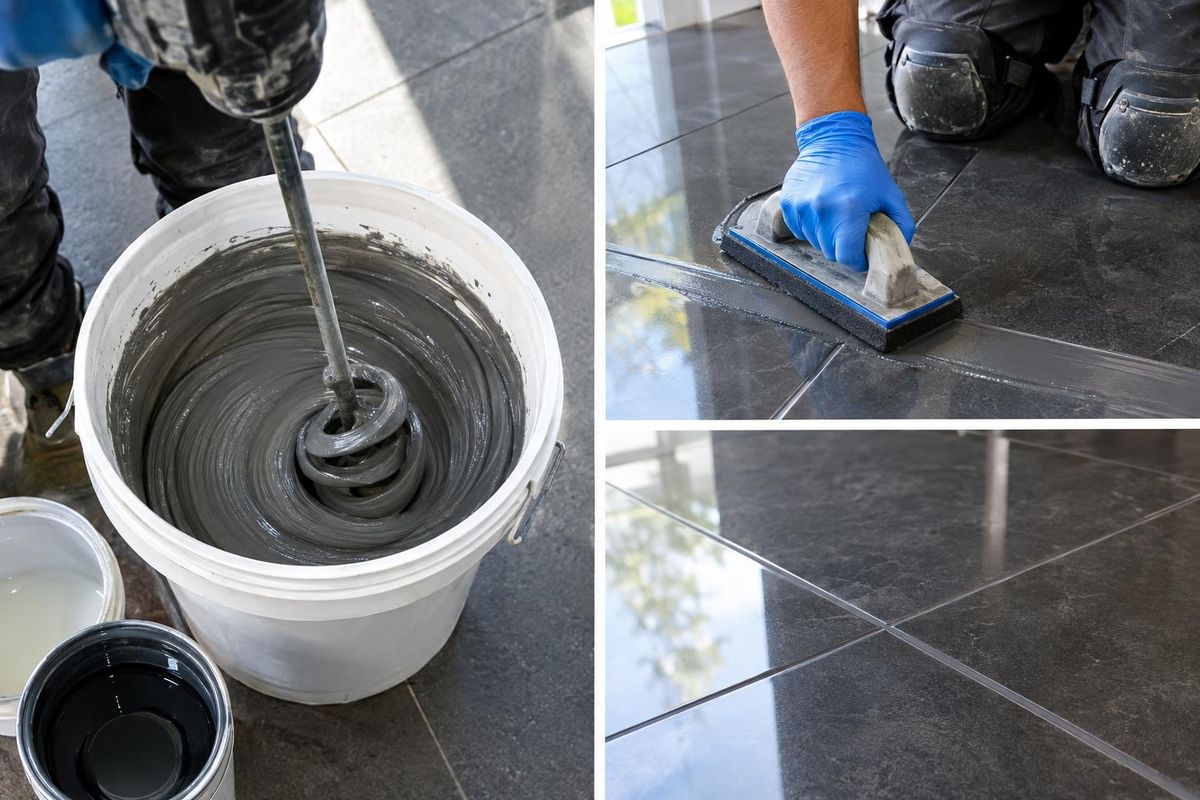
Epoxy is made of resin and hardener and cures to a hard, non-porous finish. It resists stains, moisture and many chemicals and usually does not need sealing.
It sets quickly and takes skill to apply and clean.
Premixed urethane grout
Urethane-based premixed grouts come ready to use and are somewhat flexible. They are convenient for small jobs, though colors and performance vary by product.
We explain what a given product offers before we recommend it.
Choosing for the room
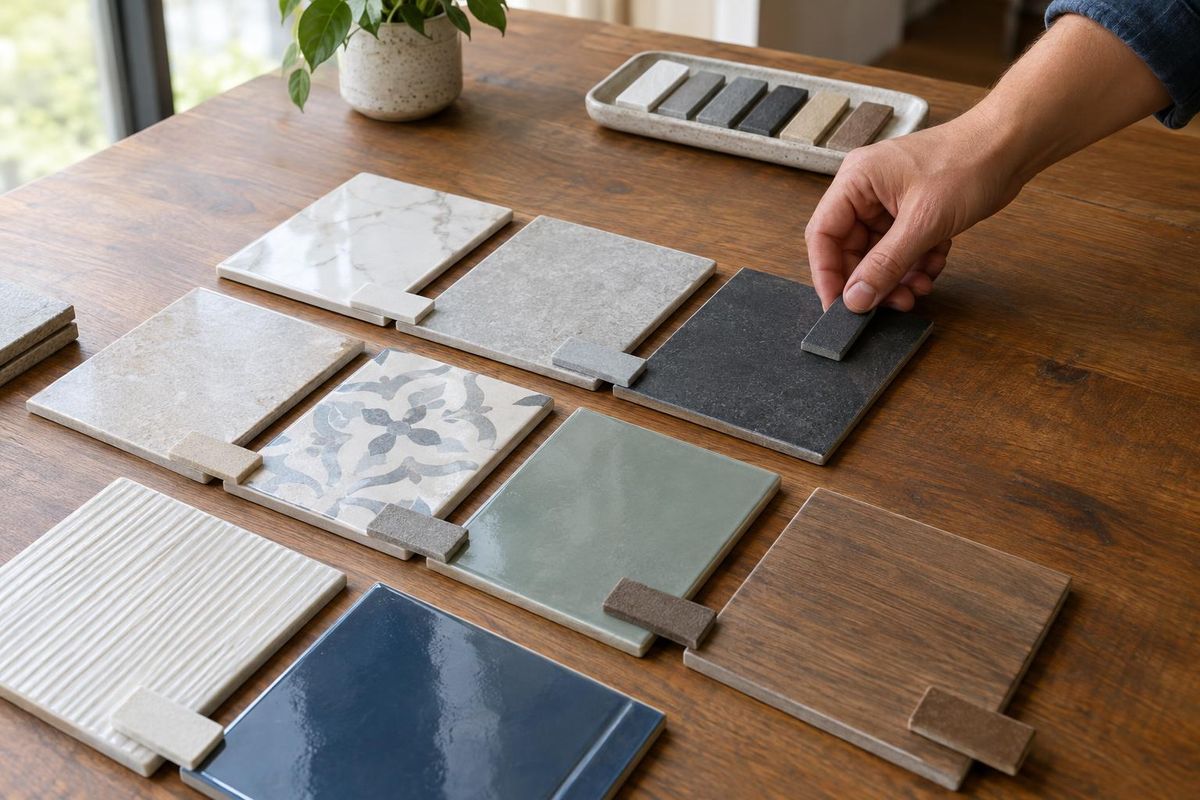
Showers, kitchens and busy floors often suit epoxy. General baths and low-traffic areas do well with sealed cement grout. Narrow joints, soft stone and glass call for a fine, non-scratching product.
We help Nashville and Middle Tennessee homeowners choose by room and by tile.
Quick answers
Does epoxy grout ever need sealing?
Generally no, which is part of its appeal.
Is epoxy the best grout?
It is excellent for some uses. Cement grout is fine for many others when sealed.