Key takeaways
- Grout is rigid; caulk is flexible.
- Corners, edges and changes of plane need caulk.
- Cracked grout at a corner is a sign the joint should be caulked.
- Replace caulk completely instead of layering new over old.
Two different materials
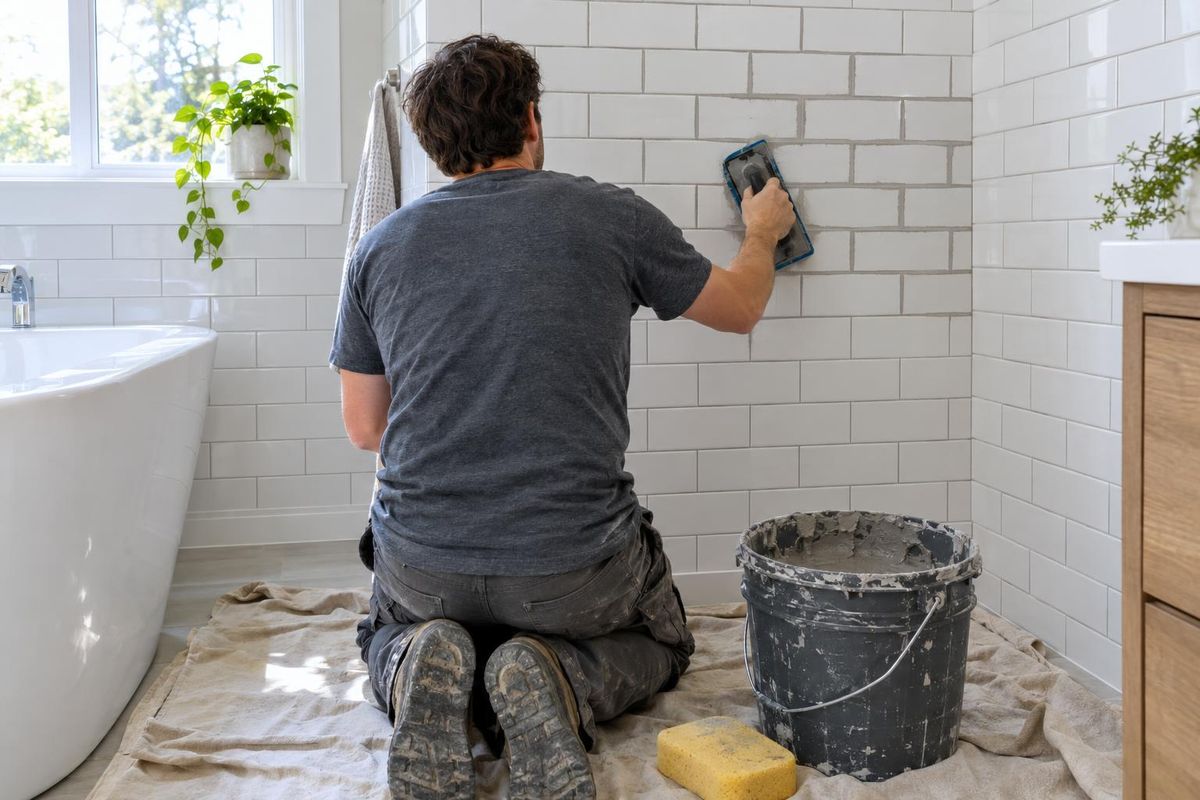
Grout fills the joints between tiles on a flat surface. It is hard and does not flex. Silicone caulk fills joints where two surfaces meet, such as wall to wall or wall to tub, and stretches with movement.
Using grout in a moving joint leads to cracks.
Where each belongs
Grout goes between tiles on the same plane. Caulk goes in inside corners, where tile meets the tub or shower pan, around fixtures and where counters meet backsplashes.
If you see a grout line in a corner that has cracked, it should be a caulk joint.
Signs caulk has failed
Yellowing, shrinking, gaps, peeling and black spots mean it is time. Water behind failed caulk can reach the wall.
New caulk will not stick to old, so the old must come out.
Doing it well
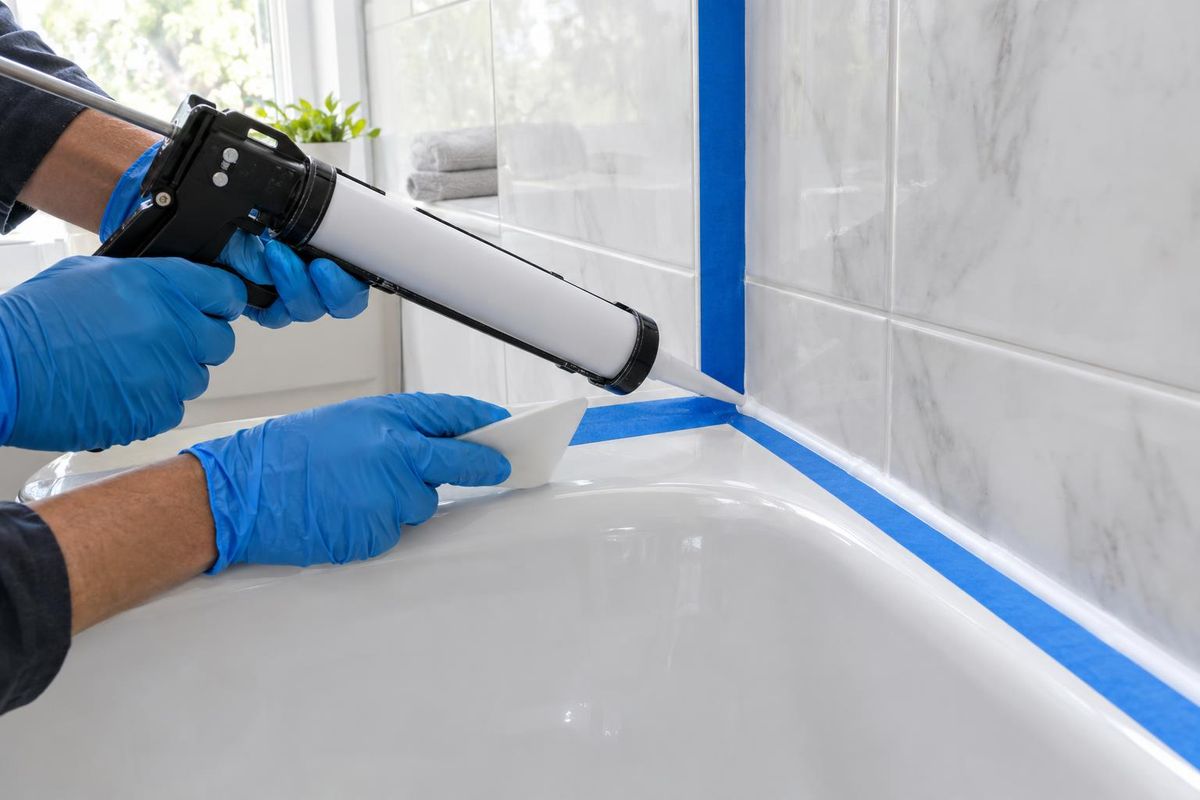
Remove the old caulk completely, clean and dry the joint, tape both sides, apply a neat bead and tool it smooth. Let it cure before water touches it.
We replace caulk in showers across Nashville and Middle Tennessee.
Quick answers
Can I caulk over mold?
No. Clean and dry the joint first, and remove old caulk entirely.
Does caulk last as long as grout?
Usually not. It is a wear item and is renewed more often.