Key takeaways
- Haze is leftover grout that dried on the tile surface.
- It is easiest to remove soon after grouting.
- The wrong acid can etch tile or damage grout.
- Wait for the cure time before sealing or heavy use.
What haze is
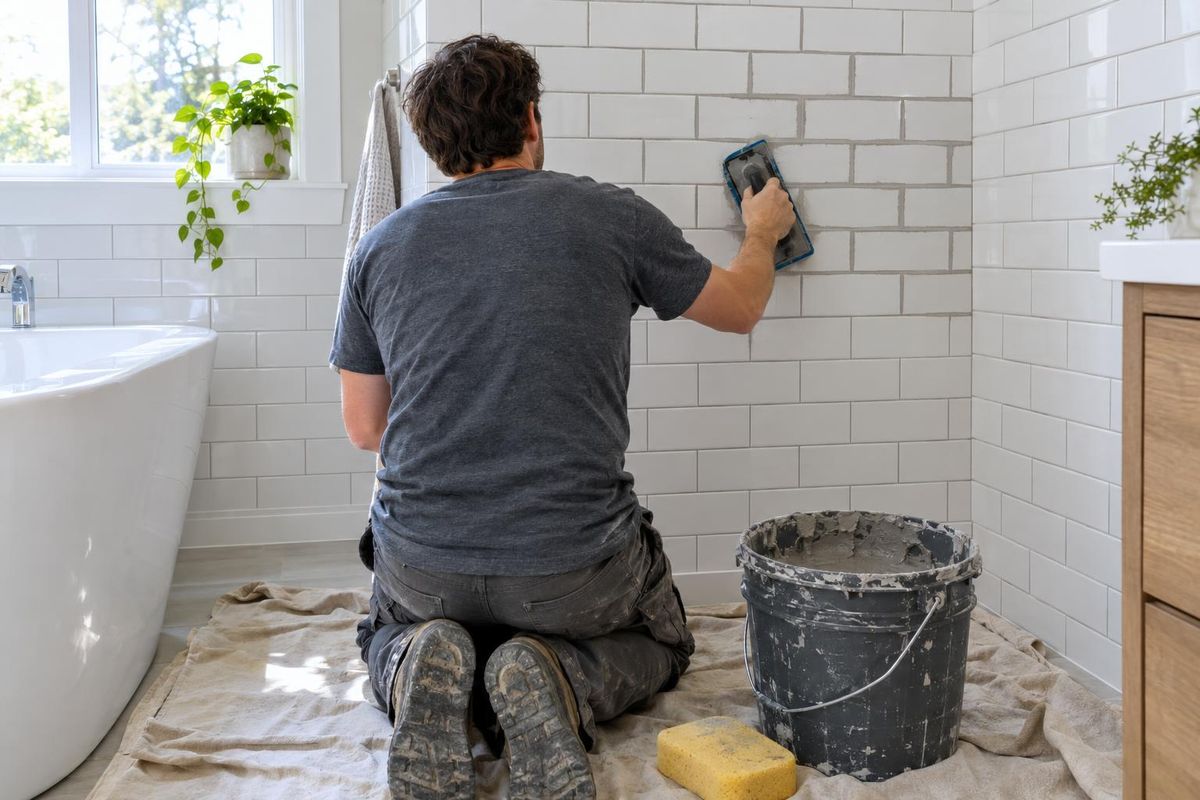
When grout is spread across tile, a thin film is left on the surface. If it is not cleaned in time, it dries into a cloudy, chalky coat that dulls the tile.
Sealer and adhesive smears leave similar residue.
Why it matters
Haze dulls the tile, feels rough and holds dirt. Left for weeks, it hardens and takes stronger methods to remove.
Good installers remove most of it as they grout.
Removing it safely
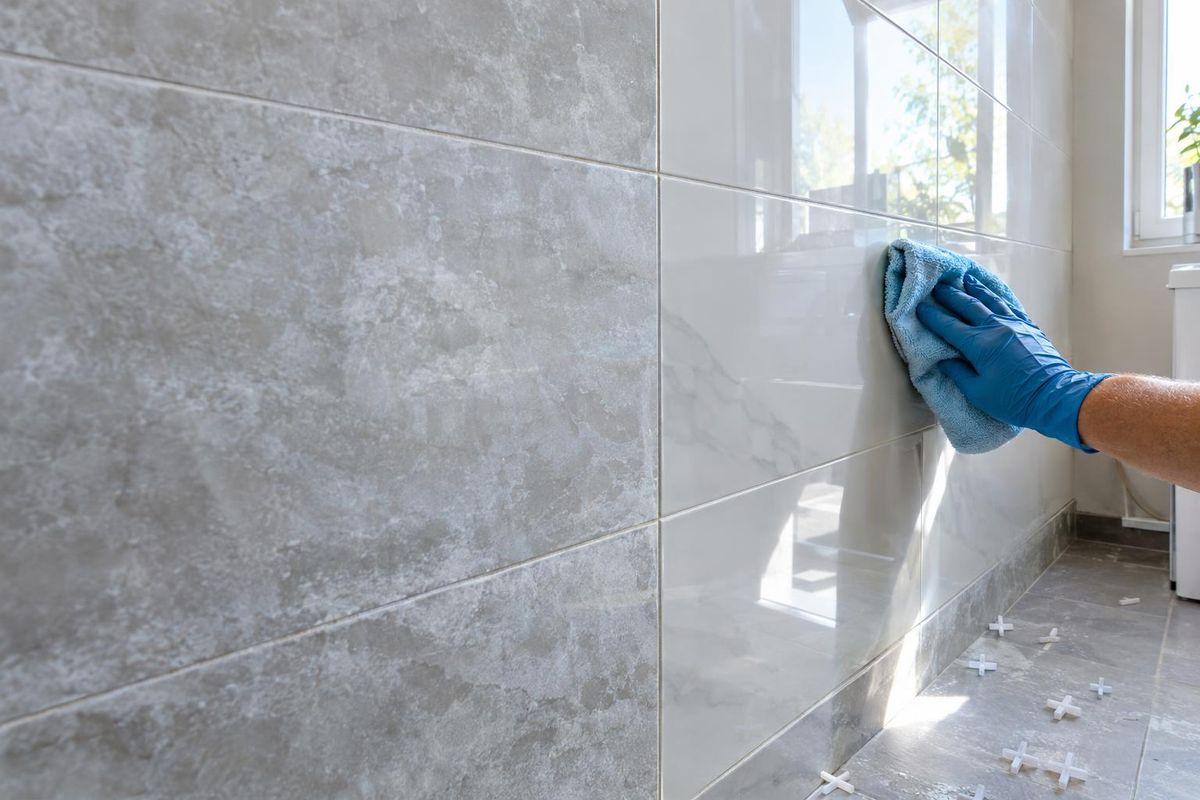
Identify the residue first, since cement haze, epoxy film and sealer need different treatments. Use products made for the job and test a small area, because strong acids can etch some tile and weaken fresh grout.
Rinse well and buff dry.
Caring for new tile
Let grout cure as the maker directs before heavy cleaning or sealing. Avoid harsh cleaners during that period.
We remove haze and seal new tile across Nashville and Middle Tennessee.
Quick answers
How long after grouting should I wait to clean?
Follow the product directions. Cement grout needs time to cure before wet cleaning.
Can haze come back?
Not once it is fully removed, but sealer smears can leave a new film if overapplied.