Key takeaways
- Cement-based grout benefits from sealing; epoxy usually does not.
- Showers and busy floors need resealing more often than low-traffic areas.
- A drop of water tells you when it is time.
- Seal only clean, dry grout.
The basics
Penetrating sealers slow how fast grout absorbs liquids. They wear down with traffic, cleaning and time, so they need renewing.
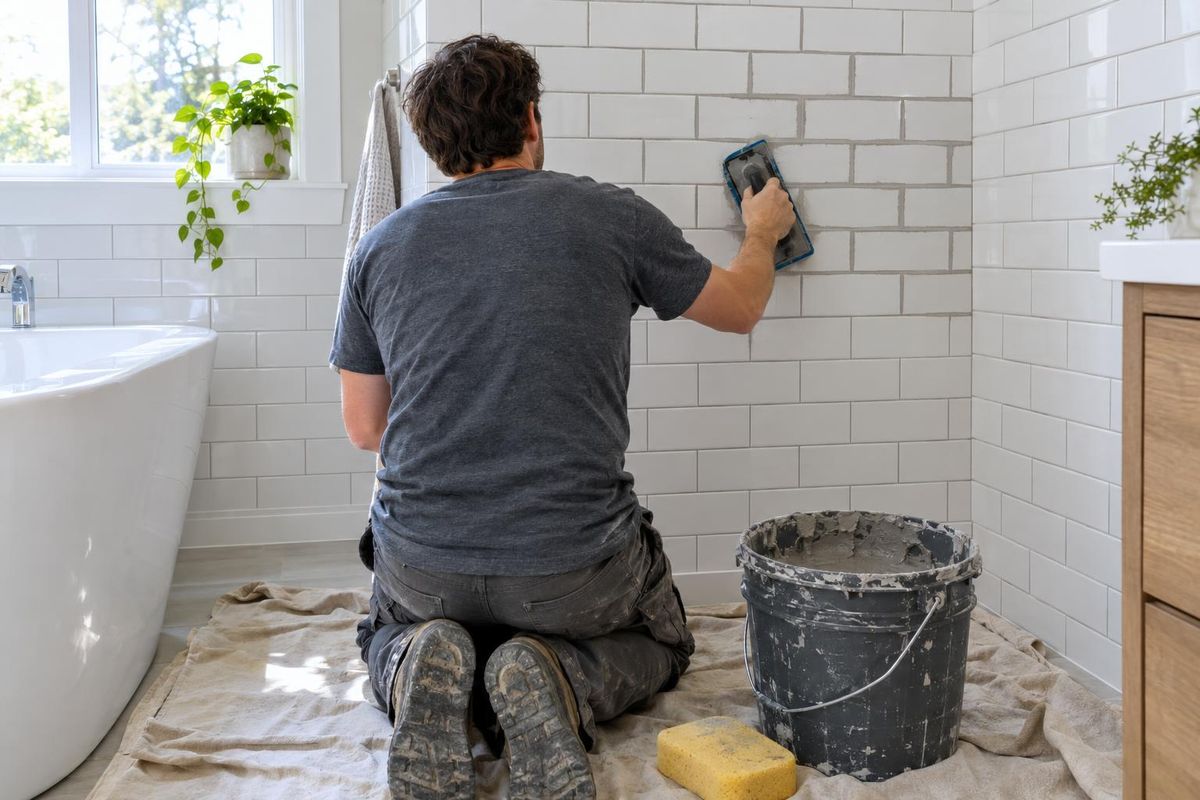
New cement grout is usually sealed after it cures.
A rough schedule
Showers and kitchen floors often need resealing every year or two. Low-traffic floors and walls can go longer. Outdoor areas depend on weather exposure.
The product label and your use matter more than any fixed number.
The water-drop test
Put a few drops of water on the grout. If it beads, the sealer is working. If it darkens within a minute or two, it is time to reseal.
Test a few spots, since wear is uneven.
Doing it right
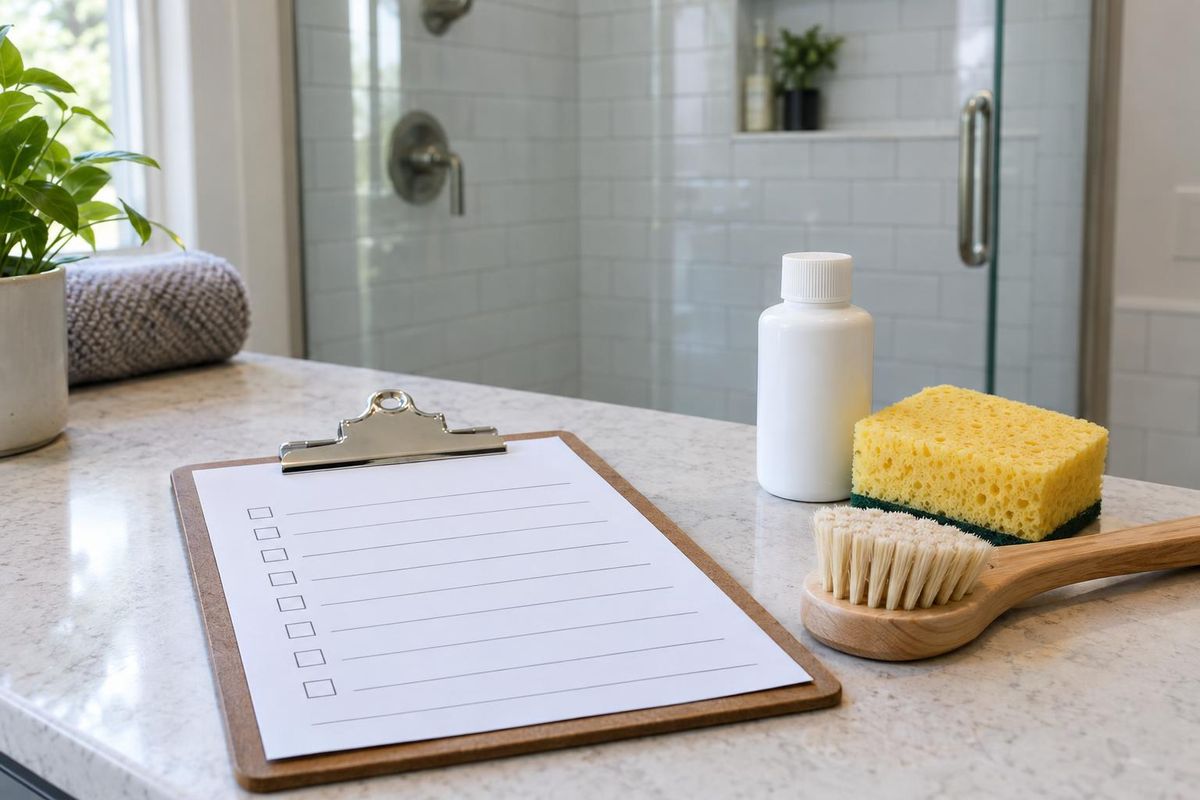
Sealer only works on clean, dry grout. Residue from soap, oils or old sealer prevents it from soaking in, so a deep clean usually comes first.
We seal homes across Nashville and Middle Tennessee and can set a simple recurring schedule.
Quick answers
Can grout be sealed too often?
Over-application can leave a film. Follow the product directions.
Does sealing replace cleaning?
No. It makes cleaning easier but does not eliminate it.