Key takeaways
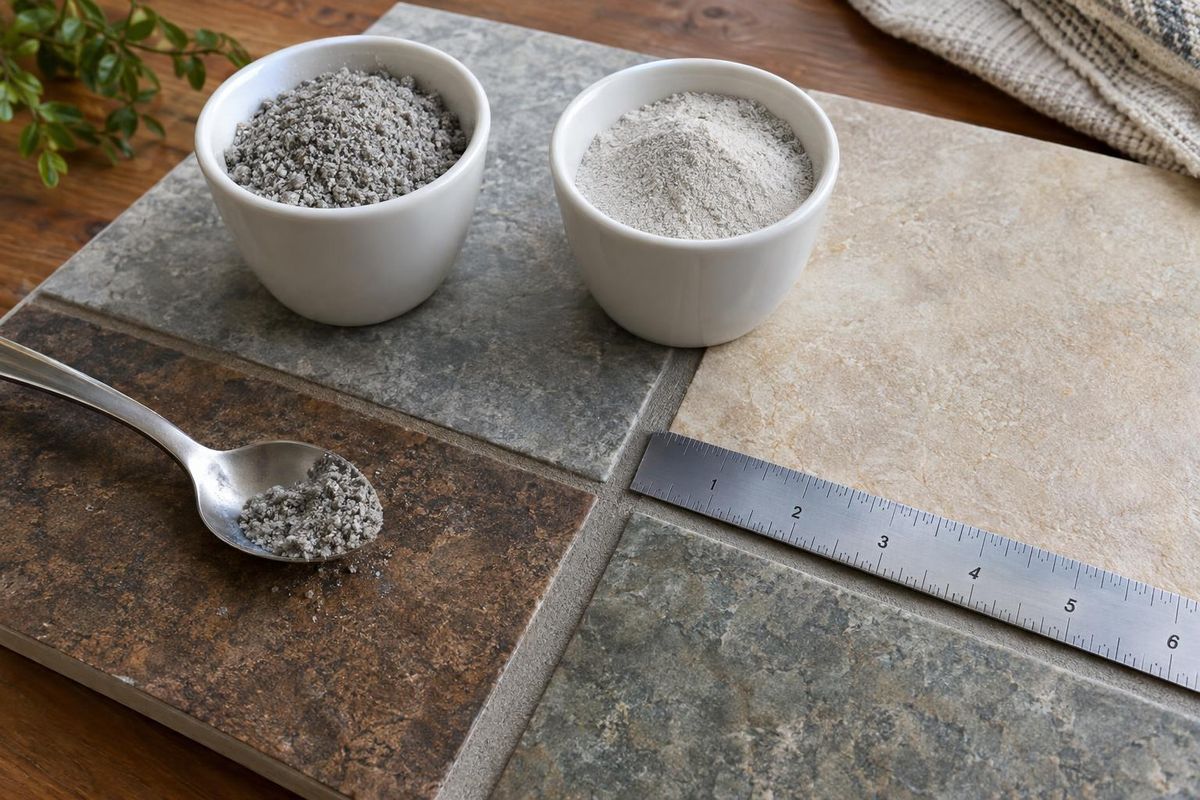
- Narrow joints suit unsanded grout; wider joints suit sanded grout.
- Small tile has many more joints than large tile.
- Rectified tile allows very narrow joints.
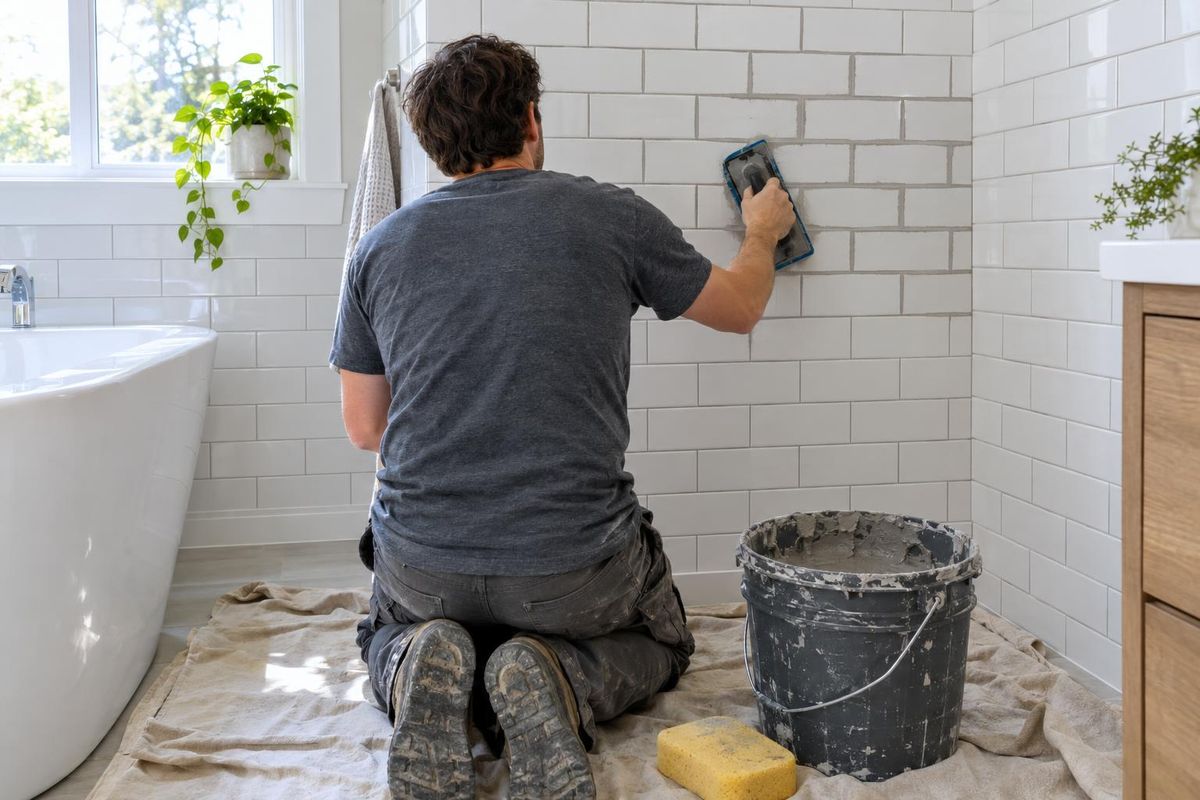
- Joint width changes how bold the grout looks.
Why width matters
Grout shrinks as it cures. In narrow joints that is no problem. In wide joints it can crack unless sand adds bulk and strength.
That is why wide joints call for sanded grout.
Tile size
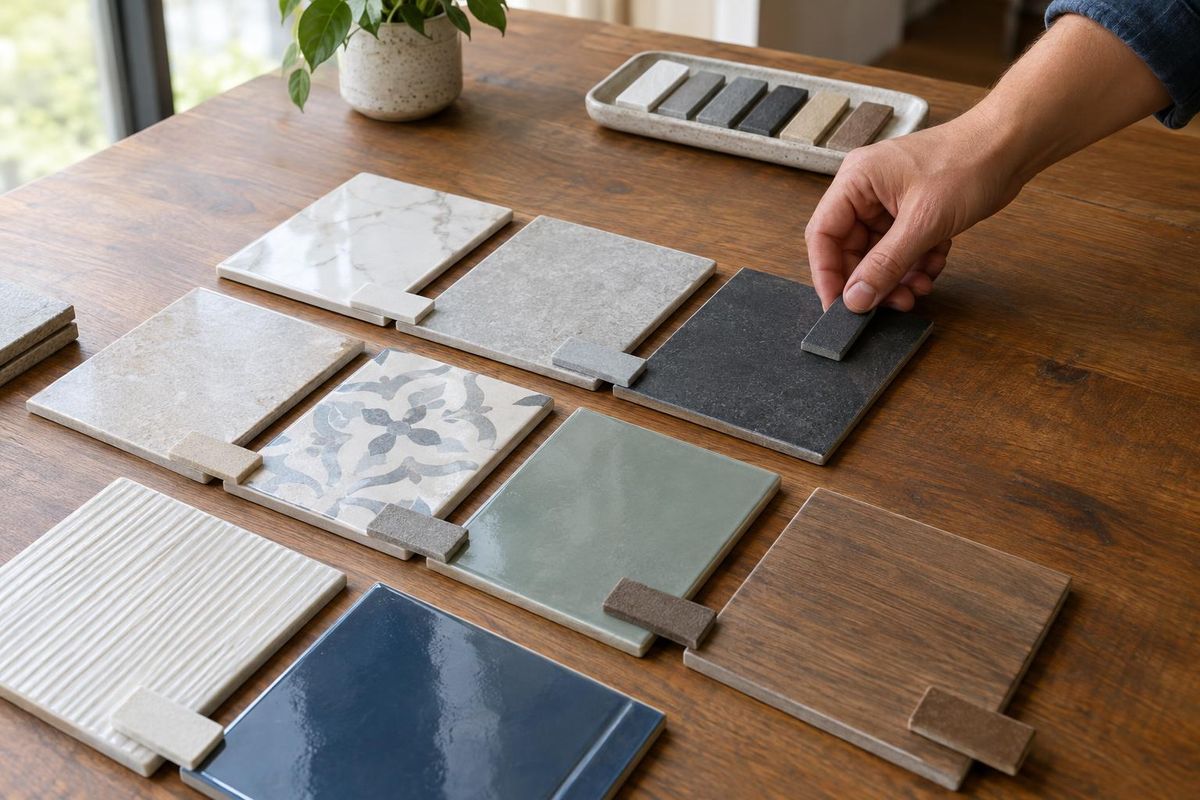
Mosaic and small tile have far more joints per square foot, so grout shows up everywhere and the look changes with every shade. Large tile has fewer joints, so the surface reads as more tile and less grout.
Large tile often uses narrow joints.
Edges and flatness
Rectified tile has precisely cut edges and can be laid with very tight joints. Natural stone and handmade tile have uneven edges and need wider joints.
Flatness of the tile also affects how the grout line looks.
Choosing
Match the grout to the narrowest and widest joints you have and to the tile material.
We check joints and tile for homes in Nashville and across Middle Tennessee before recommending a product.
Quick answers
Can I widen a narrow joint?
Sometimes, when regrouting, though it can change the look. We discuss it.
Does joint width affect cleaning?
Wider joints show more grout and collect more soil, so sealing helps.