Key takeaways
- Stone is porous and often sensitive to acids.
- Use stone-safe, pH-neutral cleaners.
- Seal both the stone and the grout.
- Etching and dulling can often be refined by a professional.
Why stone is different
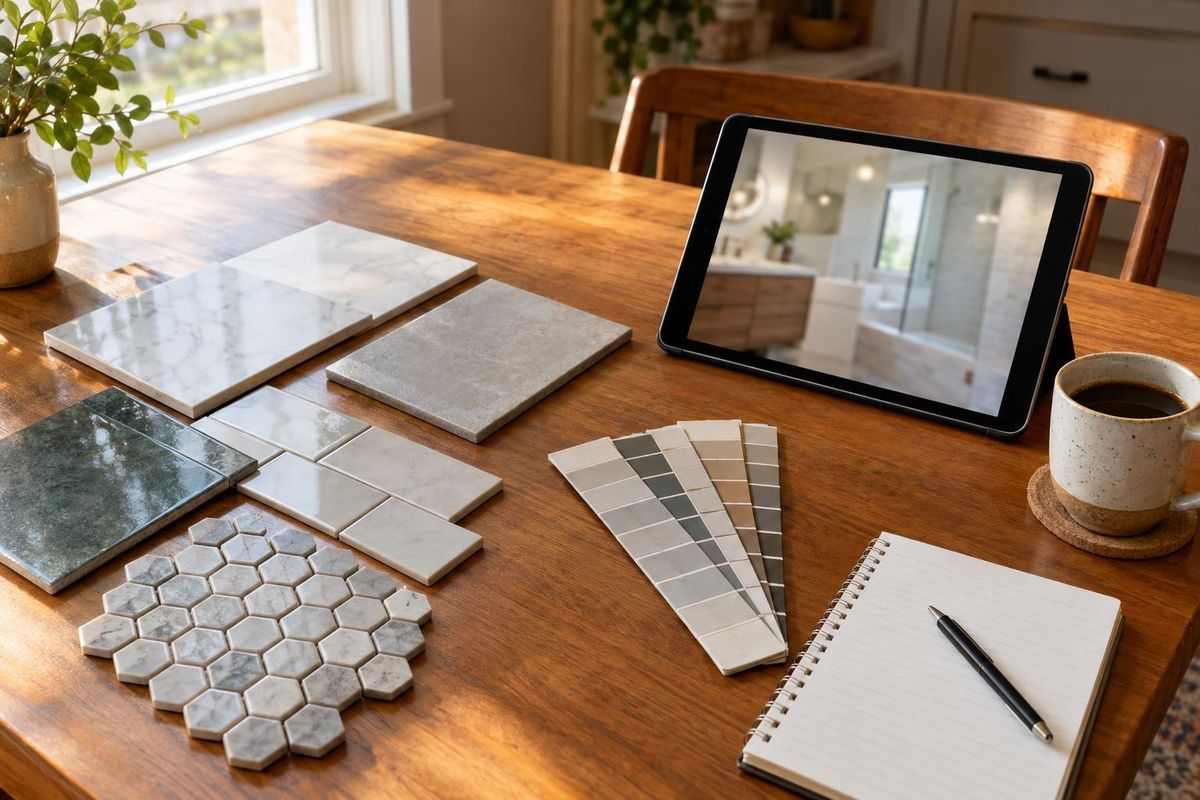
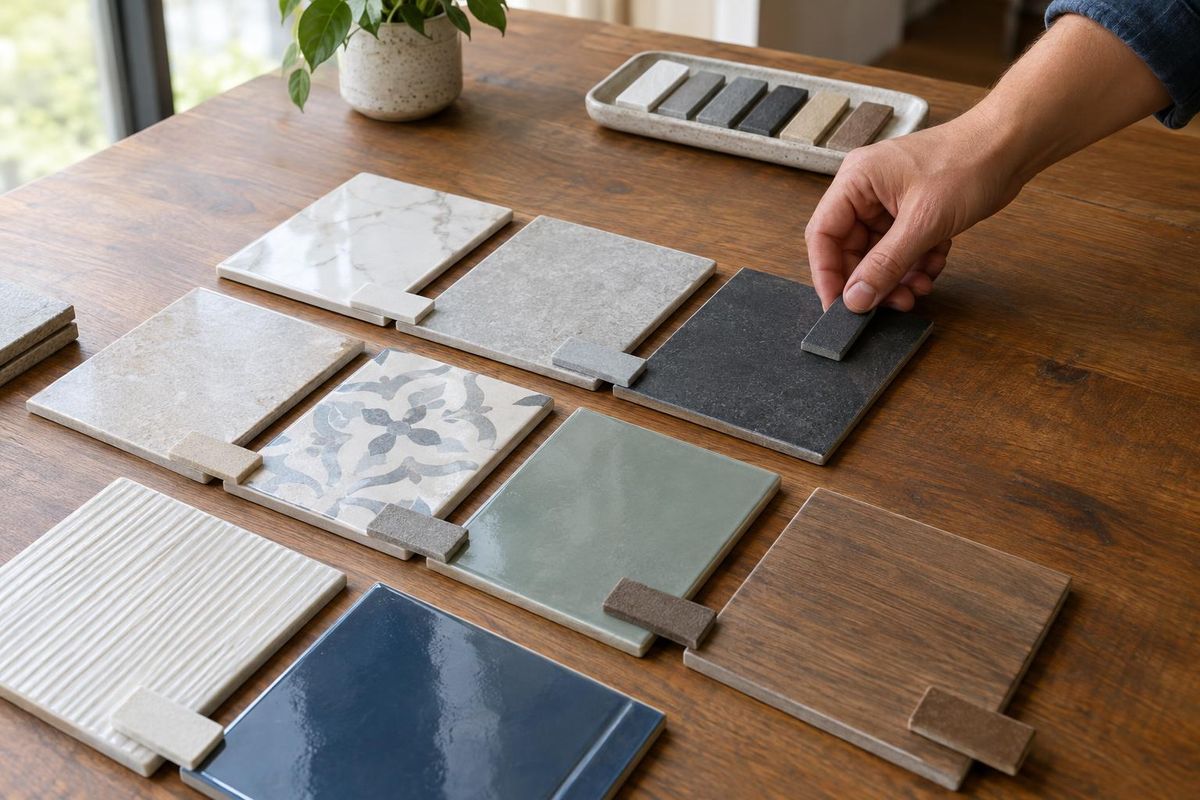
Travertine, marble, limestone and slate are porous. Marble and limestone etch when touched by acids such as vinegar or some bathroom cleaners, leaving dull marks that look like stains.
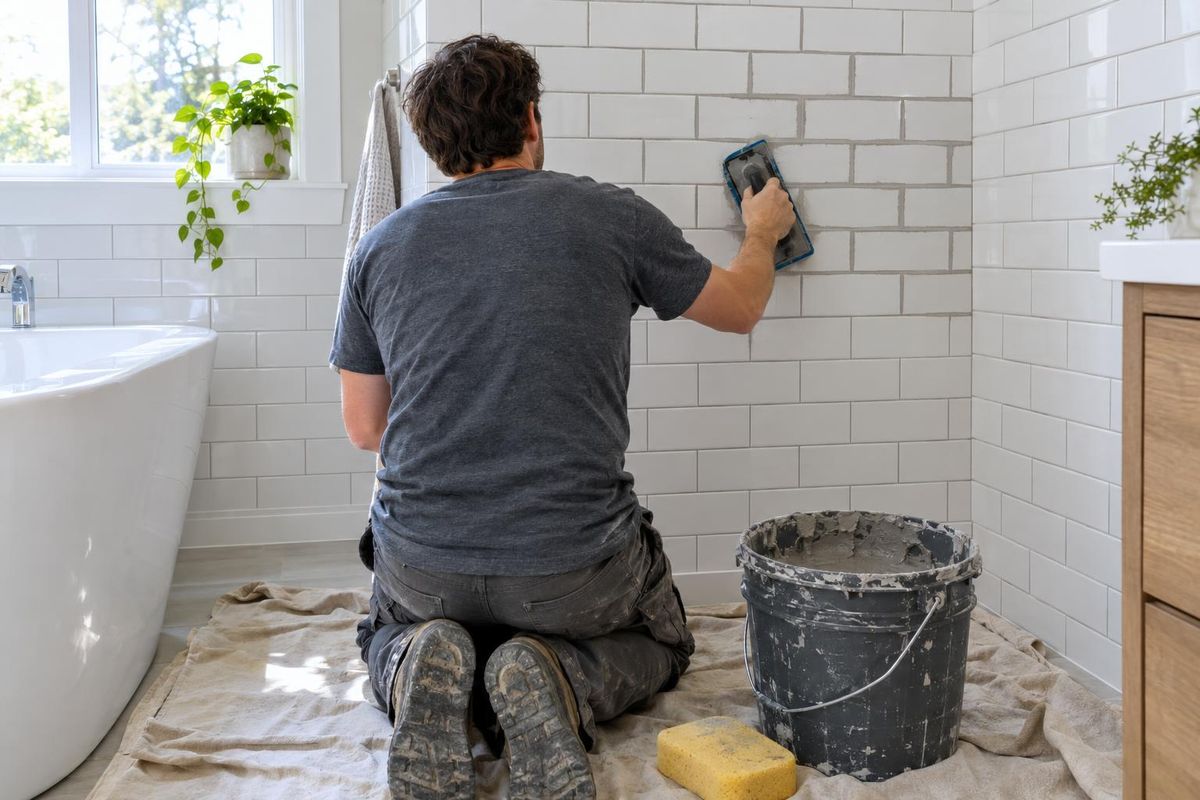
The grout between stone tiles is porous too.
Safe cleaning
Use pH-neutral cleaners made for stone, soft pads and clean water. Avoid acids, harsh abrasives and bleach.
Blot spills right away.
Sealing
A penetrating sealer chosen for the stone slows absorption, and the grout lines need their own sealing step. Reseal when water stops beading.
Sealing does not stop etching.
Restoring dull or etched stone
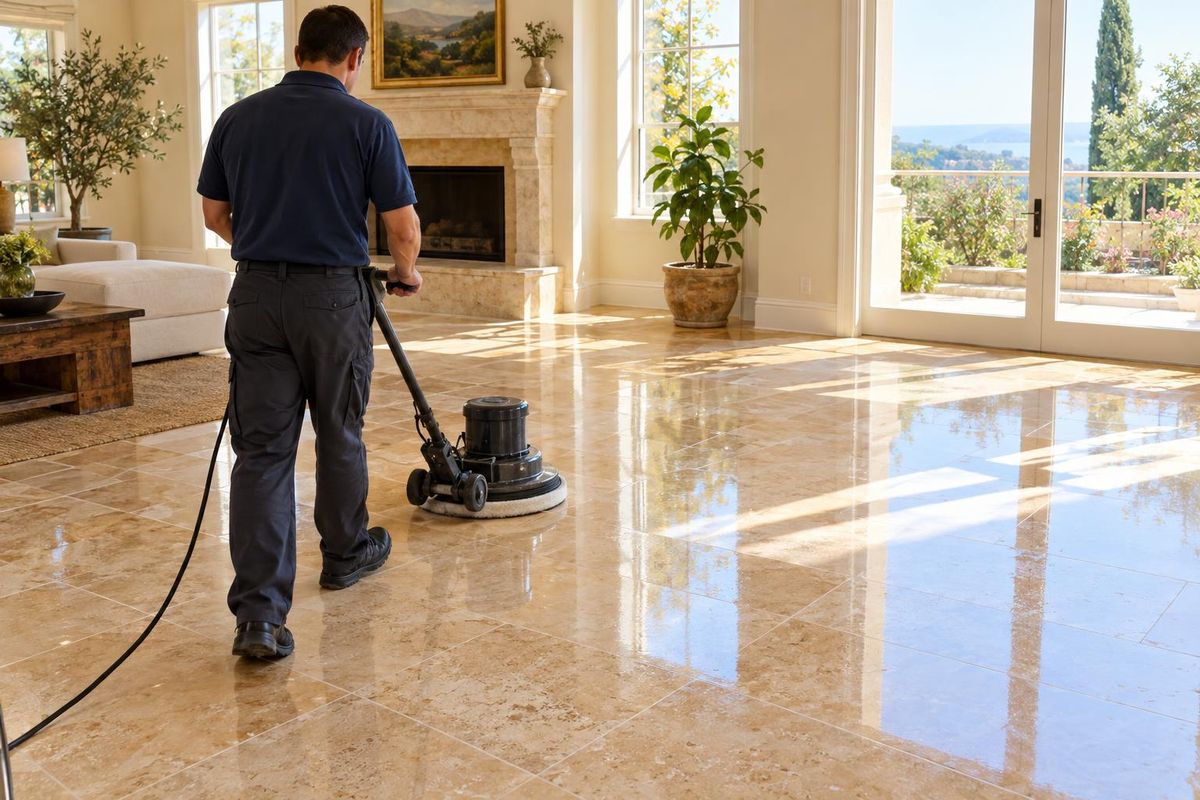
Honing and polishing can refine etched or dull stone. It is best done by a professional with the right pads and products.
We care for stone floors and showers across Nashville and Middle Tennessee.
Quick answers
Can I use vinegar on stone?
No. Acids etch many stones.
Is stone harder to keep than ceramic?
It needs more care, but sealing and gentle cleaning make it manageable.