
Key takeaways
- Start by describing what you see: dirt, stains, cracks, mildew or color.
- Cleaning, repair and regrouting solve different problems.
- Ask about the grout type, the sealer and the caulk.
- Look at samples in your own light before you decide.
Step one: describe the problem
Dirty lines, gray color, dark spots, cracks, missing pieces and yellow caulk each point to a different fix. Photos help.
Knowing the main complaint keeps you from paying for work you do not need.
Step two: match the service
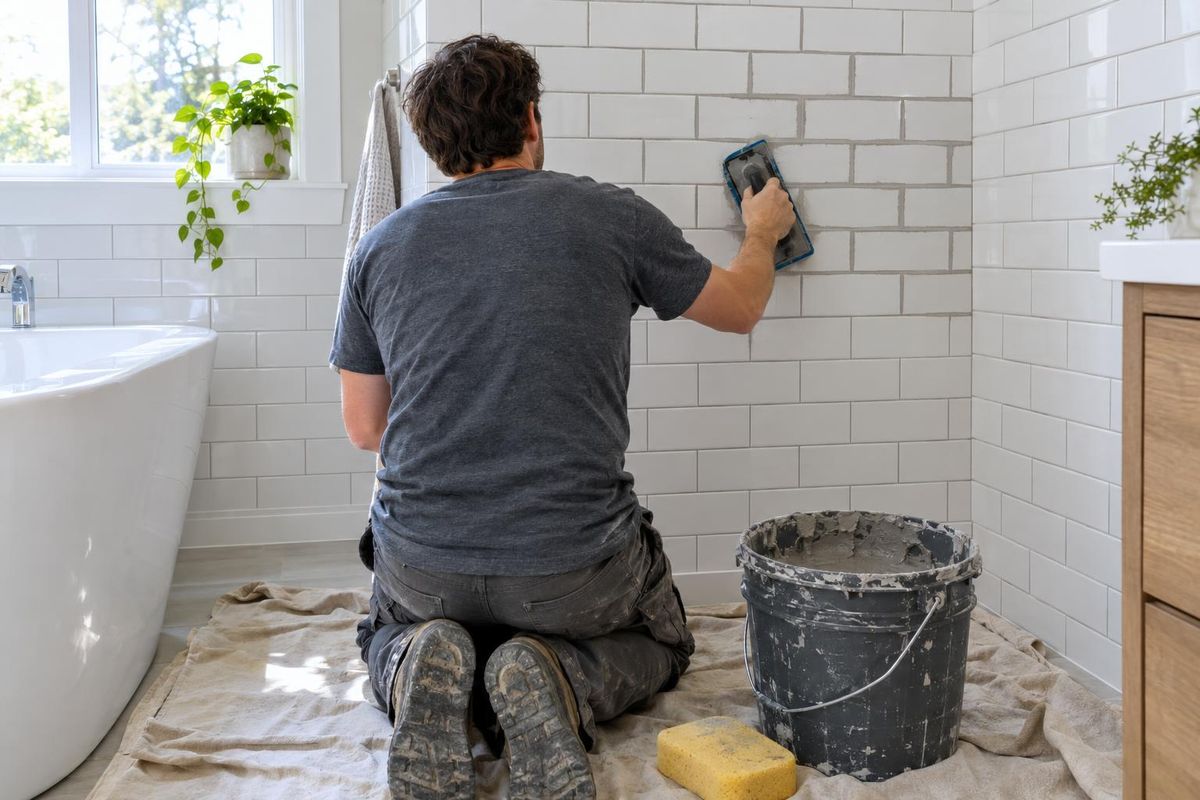
Dirt and stains that sit in sound grout usually clean. Cracks and crumbling call for repair or regrouting. Uneven or faded color can be recolored or regrouted. Sealing protects whichever result you choose.
A good grout company explains why one option fits and the others do not.
Step three: ask the right questions
Ask what grout type will be used, how the old grout is removed, how the area is protected, what sealer is applied and how long the cure takes. Ask what happens at corners and where tile meets the tub or counter.
The answers tell you how careful the work will be.
Step four: see samples and decide
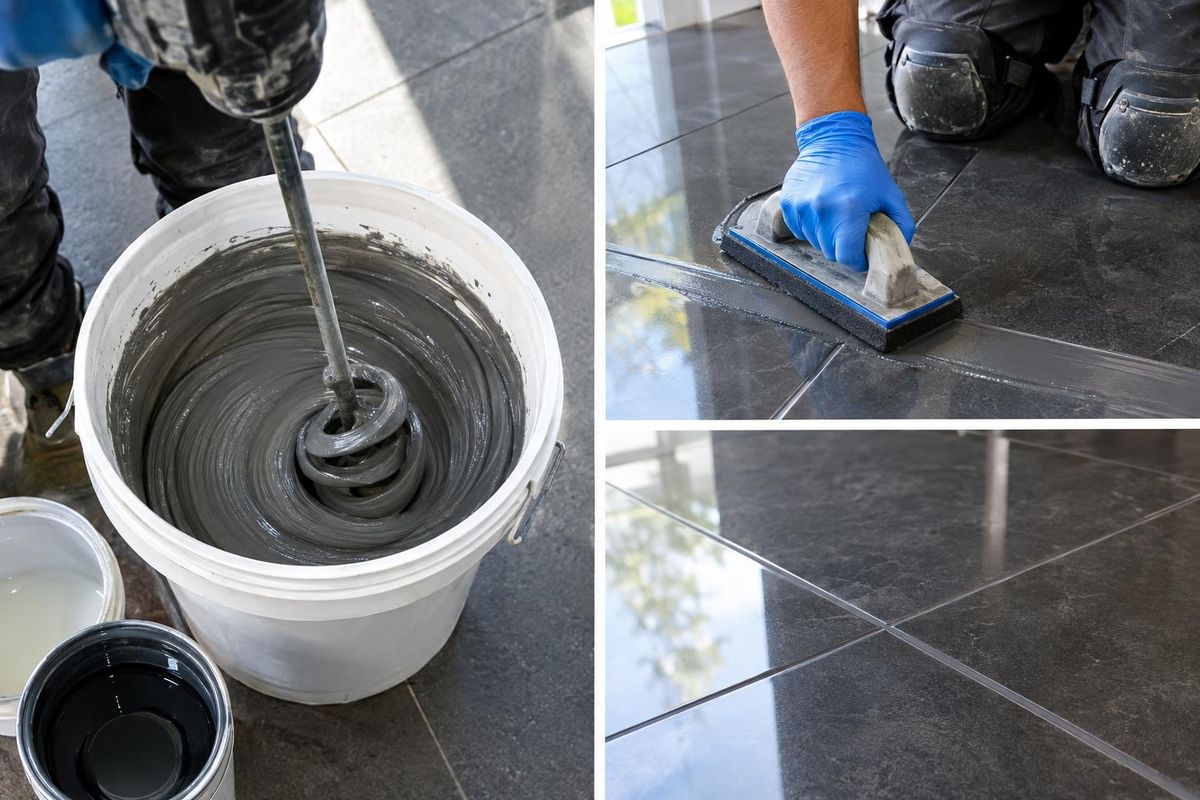
Colors change as they dry, so look at cured samples against your tile in your own light.
We bring samples to homes across Nashville and Middle Tennessee and write down what we recommend, so you can compare it with other ideas.
Quick answers
Should I clean or regrout?
If the grout is sound, cleaning and sealing are usually enough. Crumbling, cracked or deeply stained grout needs regrouting.
Can I plan online first?
Yes. The Grout Planner on this site lets you try a surface, tile, condition and grout color and see a before and after, and you can send the plan to us.