Key takeaways
- Grout is porous and soaks up soil and moisture.
- Soap scum and hard water feed mildew.
- Poor ventilation and failed caulk keep areas damp.
- Sealing, ventilation and caulk repair slow regrowth.
Why grout is a magnet
Cement grout is full of tiny pores that draw in water, soap and oils. Soil rides in with them and stays.
Rough grout also holds more dirt than smooth tile.
Moisture and mildew
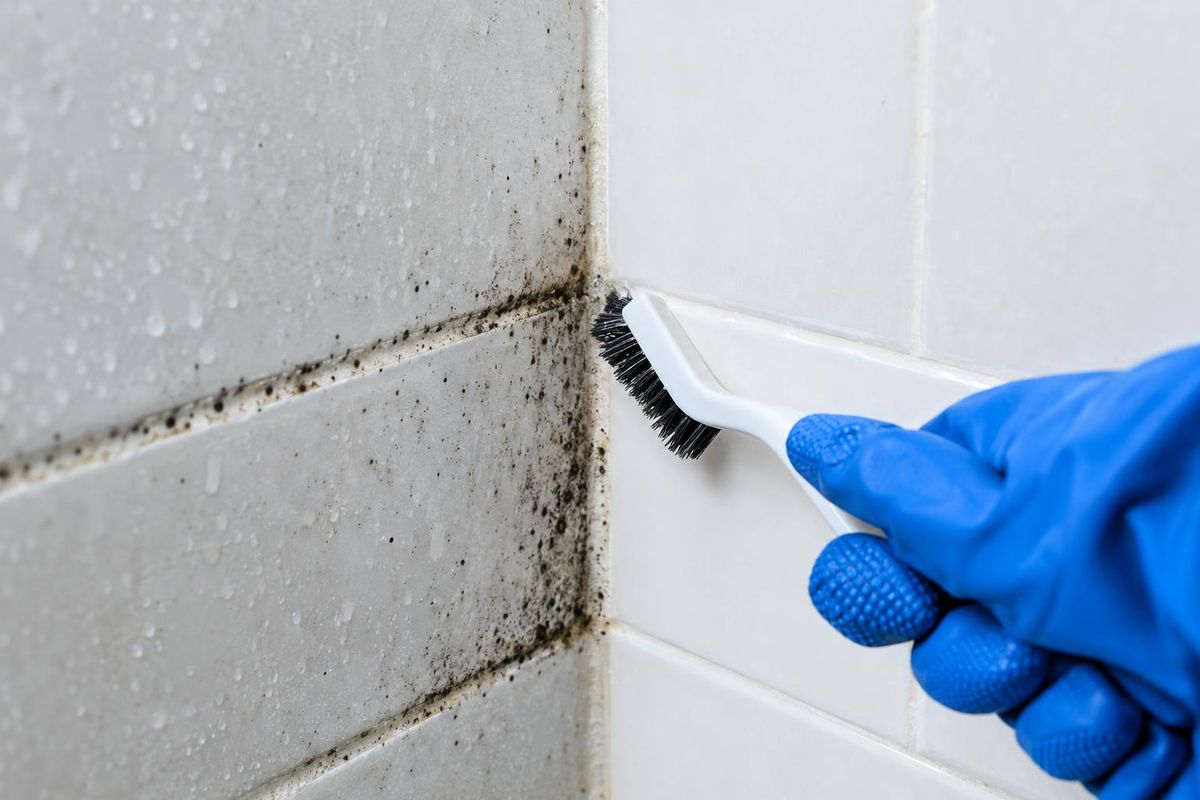
Mildew grows where grout stays damp and dirty, low in showers, in corners and around tubs. Soap scum and body oils give it food.
A bathroom that never dries out is the biggest risk.
Fixing the cause
Better ventilation, running the fan after showers, squeegeeing walls, replacing failed caulk and sealing grout all reduce moisture and soil.
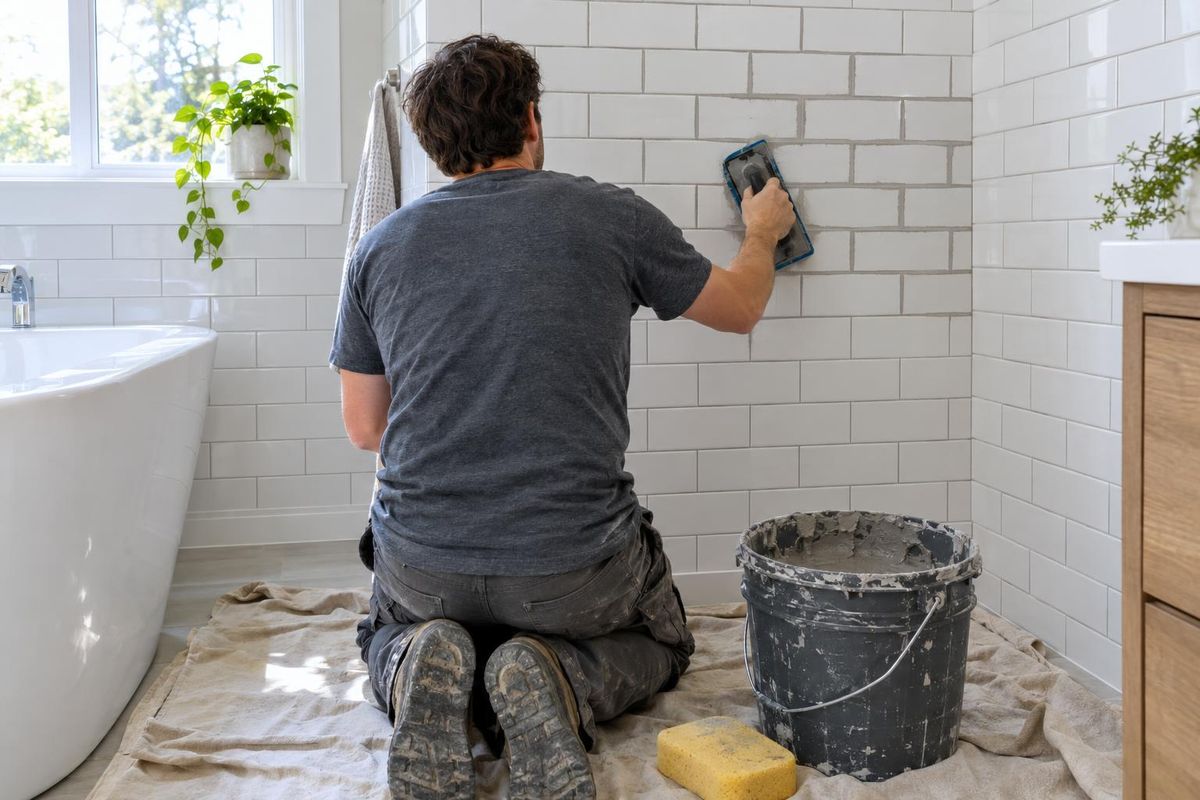
Persistent growth in old, soft grout often means regrouting is the lasting answer.
When to call
If mildew returns quickly, caulk is peeling or you notice soft spots, have the area inspected. A hidden leak needs a plumber.
We treat grout across Nashville and Middle Tennessee and tell you when the cause is outside our work.
Quick answers
Is dark grout always mold?
No. Often it is dirt, soap film or stain. A test clean tells which.
Will bleach fix it?
It can lighten surface stains but harsh products can harm grout and tile. We choose carefully.